Sensor Fusion

Design notes for multi-sensor estimators, state definitions, and cross-domain observability constraints.
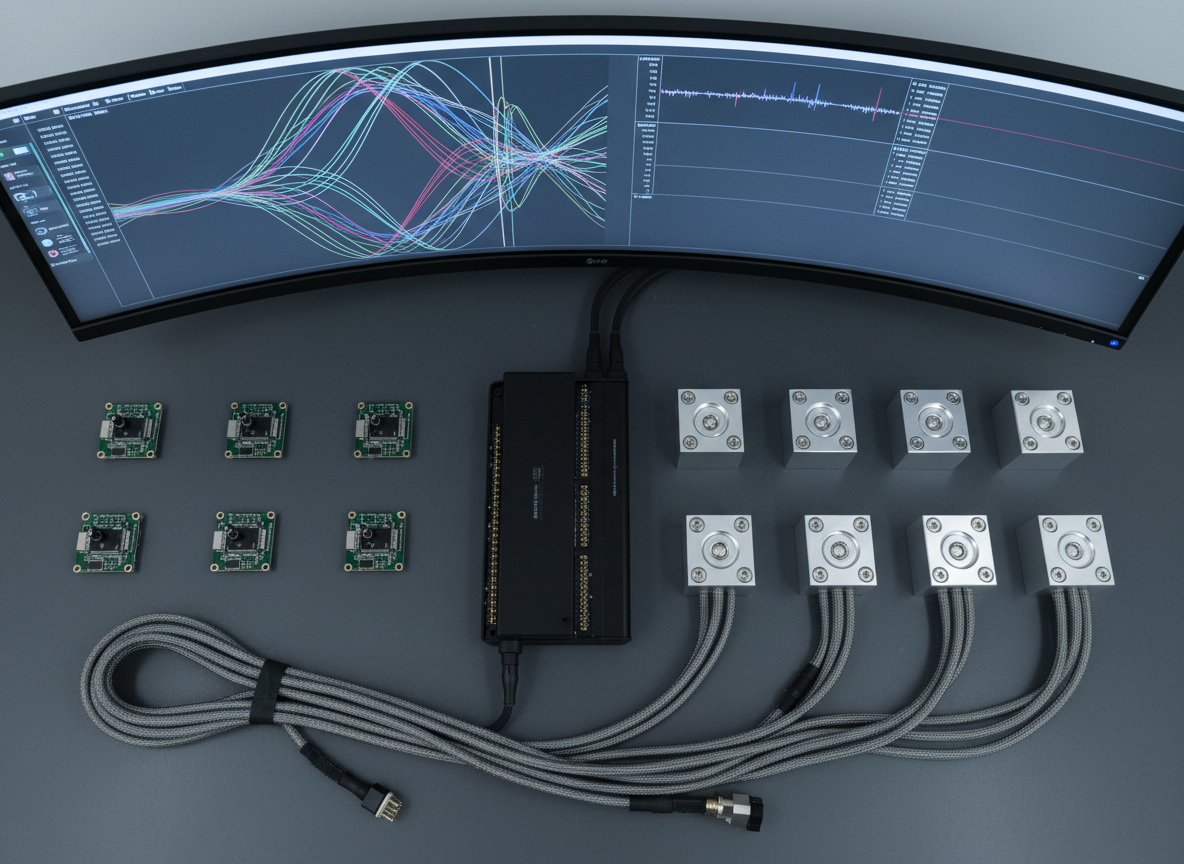
An overhead photographic view of a large, dark-grey worktable covered with neatly arranged rotorcraft avionics prototypes: compact IMU modules, vibration sensors mounted to machined aluminum test blocks, shielded data buses, and a slim flight data recorder with exposed connectors. In the upper edge of the frame, a curved panoramic monitor displays colorful, abstract data visualizations of vibration spectra and sensor fusion timelines, intentionally blurred to avoid readable text. Cool, even studio lighting from above eliminates harsh shadows, emphasizing textures of anodized metal, braided cables, and PCB surfaces. The composition uses a clean, organized layout with clear negative space around key components, creating a modern, analytical, internal R&D mood in realistic photographic style.
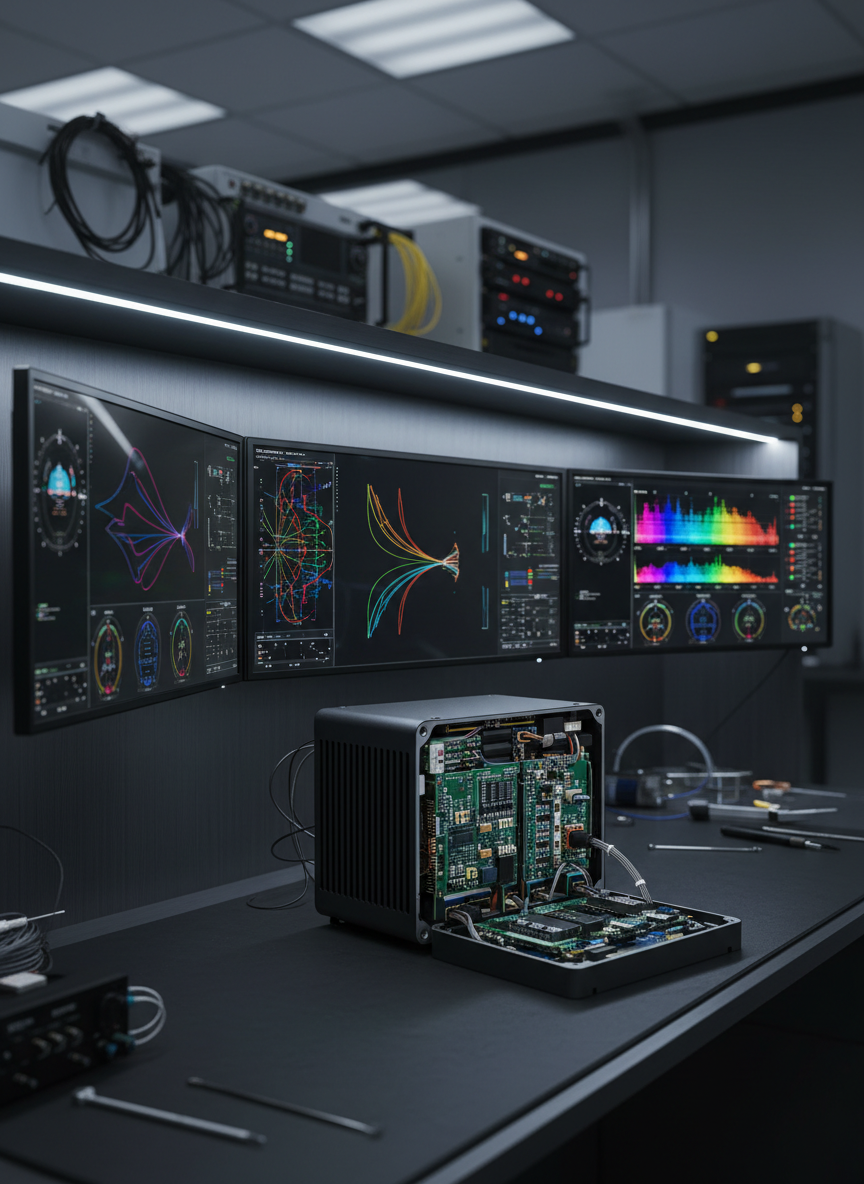
A sleek avionics lab workbench featuring a compact rotorcraft flight computer module at the center, its matte black aluminum housing exposed to reveal meticulously arranged circuit boards, connectors, and shielded cables. Surrounding it are multiple ultra-wide avionics displays mounted on a dark, brushed-metal panel, each showing crisp, colorful synthetic flight data, vibration spectra, and sensor fusion overlays without any readable text. Cool, diffused overhead LED lighting casts precise reflections on the hardware edges, creating a clean, high-tech atmosphere. Shot at eye level with a slight three-quarter angle, the composition balances the central module against softly blurred background equipment racks, conveying a focused, professional, internal development environment in photographic realism.

Sensor Fusion Architecture Overview

High-level description of estimator topologies, shared state vectors, observability limits, and trade-offs between centralized, federated, and hybrid fusion for rotorcraft attitude, loads, and vibration monitoring.

Benchmarks

Internal log of fusion benchmarks, tuning sweeps, and filter changes.

Fusion Leads
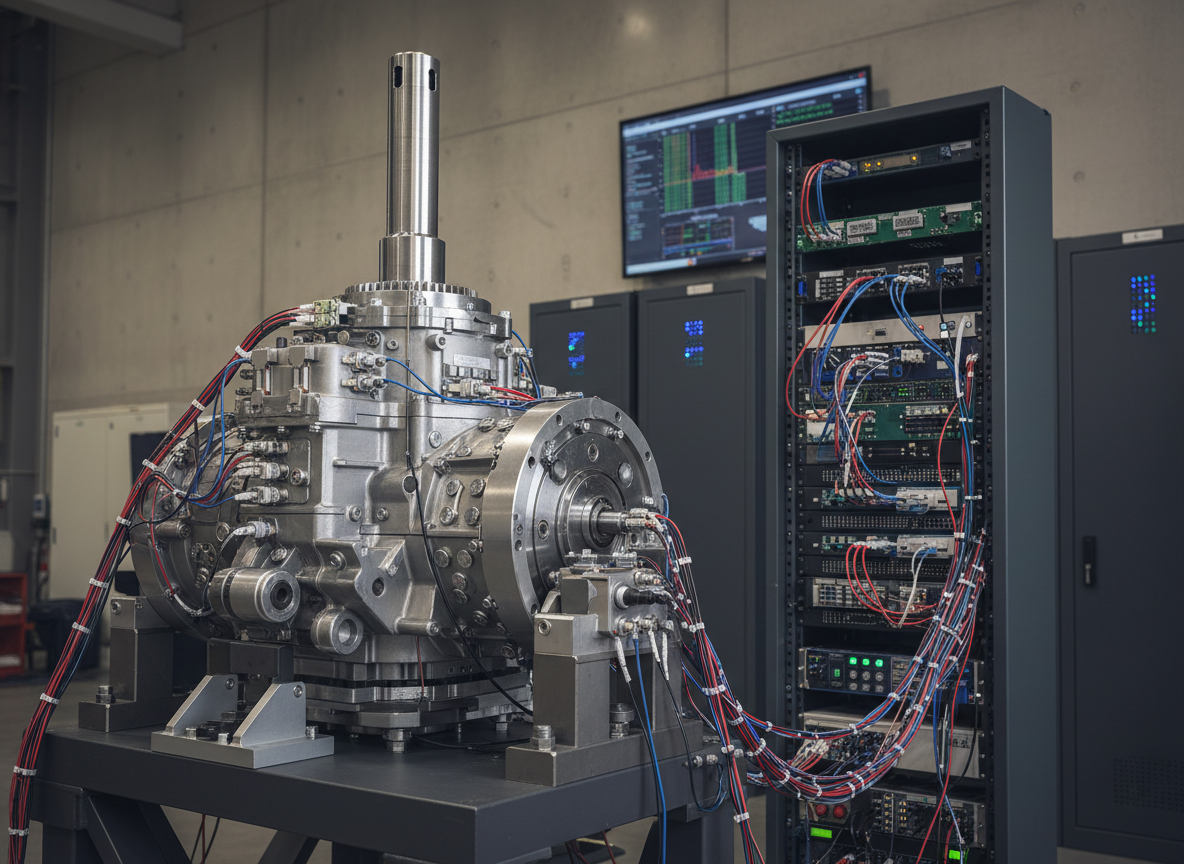
A high-detail photographic scene of a rotorcraft drivetrain section mounted on a rigid test stand, its metallic gearbox housing and rotor mast instrumented with dense arrays of accelerometers and strain sensors, each connected by thin, labeled cables running to a nearby avionics rack. The background features tall, dark equipment cabinets with subtle indicator lights and a wall-mounted display showing blurred real-time vibration analysis plots. Neutral, diffused industrial lighting from overhead fixtures creates gentle reflections on machined steel surfaces and coaxial connectors. Captured from a low, three-quarter angle, the composition emphasizes the mechanical mass in the foreground with the avionics rack in sharp focus behind, conveying the integration of physical rotor systems and advanced monitoring electronics in a controlled, professional test environment.

Aarav Sharma

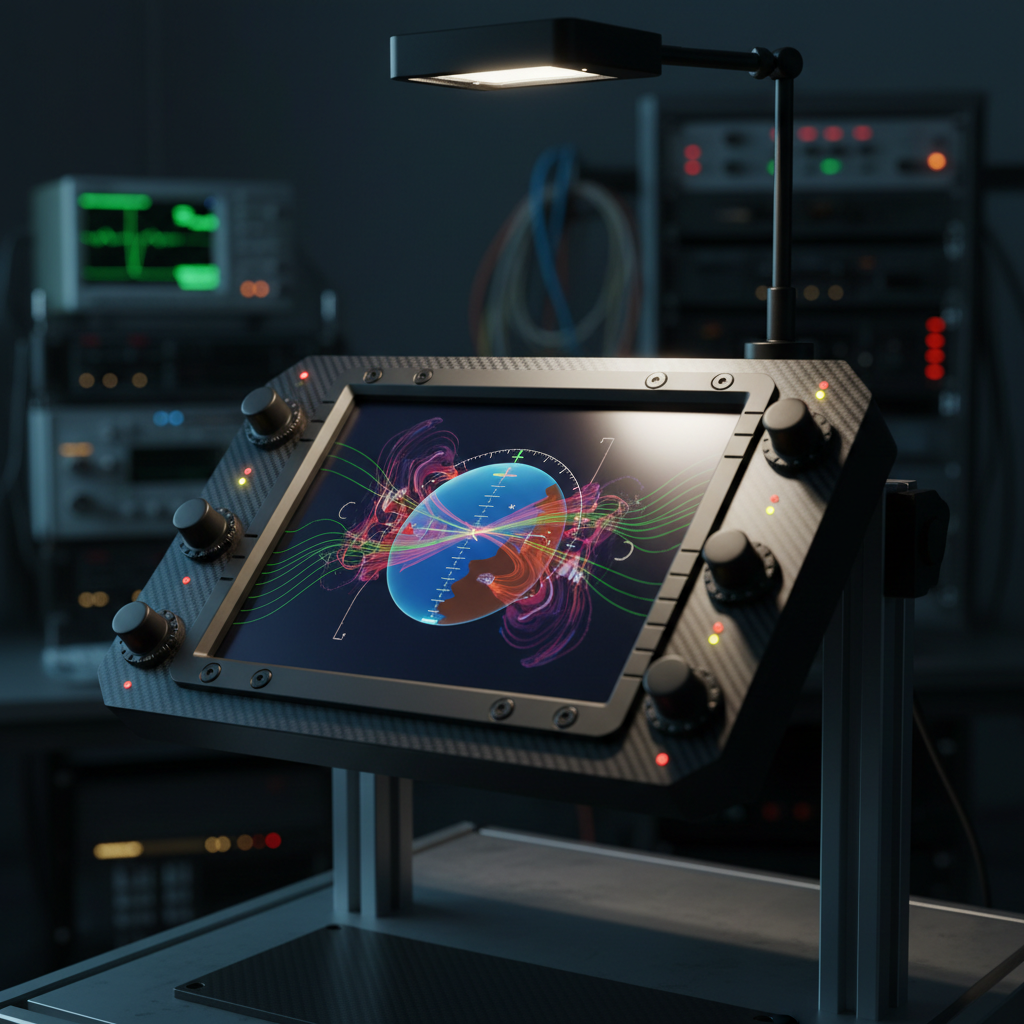
A close-up photographic view of a rotorcraft instrument panel mockup on a test stand, dominated by a large, high-resolution multifunction display showing an abstracted attitude indicator, moving map hints, and layered sensor fusion graphics, all without legible text. Surrounding the display are ruggedized bezels, rotary encoders, and status LEDs embedded in a dark carbon-fiber fascia. The environment is a dim engineering lab, with a single adjustable task light illuminating the panel from above, creating controlled highlights and subtle shadows. Shot from a slightly elevated angle with shallow depth of field, the focus is razor-sharp on the display glass and textures, while background oscilloscopes and data acquisition units fade into a soft, technical bokeh, evoking precision and quiet concentration.

Mateo García

An overhead photographic view of a large, dark-grey worktable covered with neatly arranged rotorcraft avionics prototypes: compact IMU modules, vibration sensors mounted to machined aluminum test blocks, shielded data buses, and a slim flight data recorder with exposed connectors. In the upper edge of the frame, a curved panoramic monitor displays colorful, abstract data visualizations of vibration spectra and sensor fusion timelines, intentionally blurred to avoid readable text. Cool, even studio lighting from above eliminates harsh shadows, emphasizing textures of anodized metal, braided cables, and PCB surfaces. The composition uses a clean, organized layout with clear negative space around key components, creating a modern, analytical, internal R&D mood in realistic photographic style.

Zuri Ndlovu

A sleek avionics lab workbench featuring a compact rotorcraft flight computer module at the center, its matte black aluminum housing exposed to reveal meticulously arranged circuit boards, connectors, and shielded cables. Surrounding it are multiple ultra-wide avionics displays mounted on a dark, brushed-metal panel, each showing crisp, colorful synthetic flight data, vibration spectra, and sensor fusion overlays without any readable text. Cool, diffused overhead LED lighting casts precise reflections on the hardware edges, creating a clean, high-tech atmosphere. Shot at eye level with a slight three-quarter angle, the composition balances the central module against softly blurred background equipment racks, conveying a focused, professional, internal development environment in photographic realism.

Leila Haddad

A high-detail photographic scene of a rotorcraft drivetrain section mounted on a rigid test stand, its metallic gearbox housing and rotor mast instrumented with dense arrays of accelerometers and strain sensors, each connected by thin, labeled cables running to a nearby avionics rack. The background features tall, dark equipment cabinets with subtle indicator lights and a wall-mounted display showing blurred real-time vibration analysis plots. Neutral, diffused industrial lighting from overhead fixtures creates gentle reflections on machined steel surfaces and coaxial connectors. Captured from a low, three-quarter angle, the composition emphasizes the mechanical mass in the foreground with the avionics rack in sharp focus behind, conveying the integration of physical rotor systems and advanced monitoring electronics in a controlled, professional test environment.

Hiroshi Tanaka

A close-up photographic view of a rotorcraft instrument panel mockup on a test stand, dominated by a large, high-resolution multifunction display showing an abstracted attitude indicator, moving map hints, and layered sensor fusion graphics, all without legible text. Surrounding the display are ruggedized bezels, rotary encoders, and status LEDs embedded in a dark carbon-fiber fascia. The environment is a dim engineering lab, with a single adjustable task light illuminating the panel from above, creating controlled highlights and subtle shadows. Shot from a slightly elevated angle with shallow depth of field, the focus is razor-sharp on the display glass and textures, while background oscilloscopes and data acquisition units fade into a soft, technical bokeh, evoking precision and quiet concentration.

Amara Okafor

An overhead photographic view of a large, dark-grey worktable covered with neatly arranged rotorcraft avionics prototypes: compact IMU modules, vibration sensors mounted to machined aluminum test blocks, shielded data buses, and a slim flight data recorder with exposed connectors. In the upper edge of the frame, a curved panoramic monitor displays colorful, abstract data visualizations of vibration spectra and sensor fusion timelines, intentionally blurred to avoid readable text. Cool, even studio lighting from above eliminates harsh shadows, emphasizing textures of anodized metal, braided cables, and PCB surfaces. The composition uses a clean, organized layout with clear negative space around key components, creating a modern, analytical, internal R&D mood in realistic photographic style.

Soren Jensen

A sleek avionics lab workbench featuring a compact rotorcraft flight computer module at the center, its matte black aluminum housing exposed to reveal meticulously arranged circuit boards, connectors, and shielded cables. Surrounding it are multiple ultra-wide avionics displays mounted on a dark, brushed-metal panel, each showing crisp, colorful synthetic flight data, vibration spectra, and sensor fusion overlays without any readable text. Cool, diffused overhead LED lighting casts precise reflections on the hardware edges, creating a clean, high-tech atmosphere. Shot at eye level with a slight three-quarter angle, the composition balances the central module against softly blurred background equipment racks, conveying a focused, professional, internal development environment in photographic realism.

Nia Roberts